
⚡ Nervecept 2026 — Boswellia, Turmeric, Quercetin & Biotin in One Daily Capsule. Is This the Natural Nerve Support Formula That Actually Holds Up?
Nerve tingling, foot numbness, and that electric-shock discomfort that wakes you at 3 AM — most supplements ignore the real problem and reach for a vitamin B12 label. Nervecept does something different: it targets the inflammatory pathways that drive nerve irritation, stacks them with antioxidant nerve protection, and adds structural joint support in a single daily capsule. Here is the full, unfiltered breakdown.

Why Most Nerve Support Supplements Miss the Target
The overwhelming majority of nerve health supplements on the market are B-vitamin formulas. B1, B6, B12 — and maybe some alpha-lipoic acid thrown in. They’re sold as nerve “repair” products, but what most of them actually do is correct deficiencies rather than address the inflammatory cascade that drives ongoing nerve irritation in otherwise well-nourished adults.
If you’re eating a reasonably balanced diet and not severely deficient, another high-dose B12 supplement isn’t going to move the needle on tingling and numbness. The mechanism causing your symptoms isn’t a vitamin shortage — it’s the chronic low-grade inflammation around nerve sheaths and connective tissue that conventional supplements aren’t designed to touch.
That’s the gap nervecept is built to address. Rather than loading the formula with B vitamins, nervecept combines botanical anti-inflammatories (Boswellia, Turmeric) with a neuroprotective flavonoid (Quercetin), structural joint support (Glucosamine + Chondroitin), an antioxidant amino acid (Methionine), and a myelin-support B vitamin (Biotin) — targeting multiple root-cause pathways simultaneously in a single daily capsule.
Whether that multi-pathway approach delivers what it promises for you is what this review is designed to answer. We’ve broken down every ingredient against the published research so you don’t have to.
What Is Nervecept?
Nervecept is a daily oral dietary supplement formulated to support nerve health and reduce the discomfort associated with nerve irritation — specifically tingling, numbness, and persistent nerve-related pain in the hands, feet, and extremities.
The formula contains seven ingredients: Boswellia serrata (Frankincense extract), Turmeric (Curcuma longa), Quercetin, Glucosamine Sulfate, Chondroitin Sulfate, Methionine, and Biotin. Together they address four distinct nerve support mechanisms: anti-inflammatory signaling, oxidative stress defense, connective tissue structural support, and myelin sheath maintenance.
Nervecept is manufactured in the United States under GMP (Good Manufacturing Practice) standards and is available exclusively online. It is a one-time purchase — no subscription or auto-renewal. One capsule is taken daily with 8 oz of water, ideally 20–30 minutes before a meal.
→ Order Nervecept Official — 60-Day Money-Back GuaranteeWho Is Nervecept For?
Nervecept is designed for adults experiencing nerve-related discomfort as a primary complaint — not as a general wellness supplement or energy booster. If the following sound familiar, nervecept is built for your specific situation:
Peripheral tingling and numbness: Persistent tingling in the feet, hands, or legs — especially at rest or at night — is often driven by inflammatory pressure on peripheral nerves. Nervecept’s Boswellia + Turmeric core directly targets the 5-LOX and COX-2 inflammatory pathways that contribute to this pressure.
Post-activity nerve soreness: High-impact athletes and active adults who notice nerve sensitivity or burning after training benefit from the antioxidant layer in nervecept — Quercetin and Methionine reduce oxidative nerve damage that accumulates with physical stress over time.
Age-related nerve discomfort: Myelin sheaths — the protective insulation around nerve fibers — thin with age. Biotin plays a direct role in fatty acid synthesis required for myelin maintenance. Adults over 50 with age-related nerve sensitivity represent one of nervecept’s most consistent target users.
Nerve discomfort alongside joint issues: The Glucosamine + Chondroitin component of nervecept addresses structural connective tissue compression that can mechanically irritate nerves at joints — making nervecept a more comprehensive choice than pure nerve supplements for people whose nerve pain co-occurs with joint tenderness. For those primarily focused on cognitive nerve support without joint concerns, see our VapoMind nootropic review as a separate comparison point.
4 Nervecept Support Pathways — How the Formula Works
Nervecept Ingredients — Full WHY & HOW Breakdown
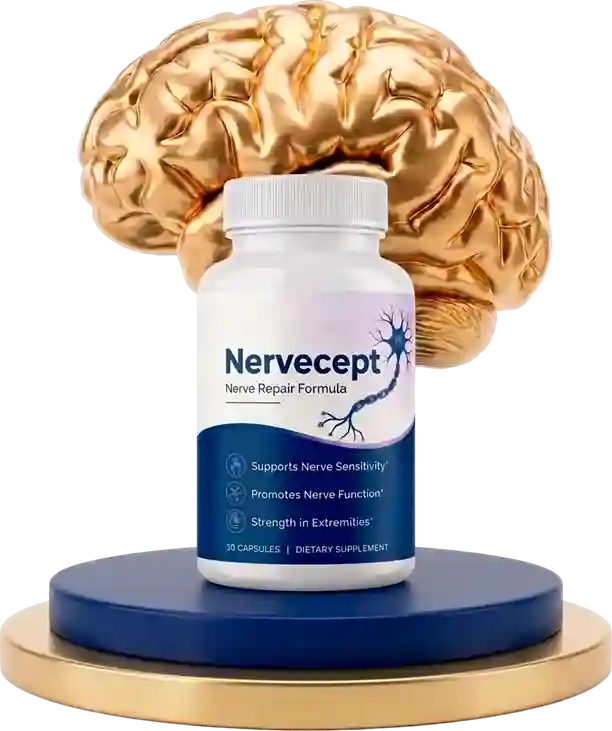
Note: Nervecept does not publish individual ingredient milligram amounts on its product page. All dosages are part of a proprietary blend. This is documented as a Red Flag in our evaluation below. The research links in each panel represent the ingredient’s established evidence base at standard clinically studied doses — not confirmation that nervecept contains those doses specifically.
Boswellia serrata contains boswellic acids — specifically AKBA (acetyl-11-keto-beta-boswellic acid) — that selectively inhibit 5-lipoxygenase (5-LOX), the enzyme primarily responsible for producing leukotriene B4, a major driver of chronic inflammatory signaling around nerve and connective tissue.
Unlike NSAIDs, which broadly suppress COX enzymes and carry GI side-effect profiles, Boswellia’s 5-LOX selectivity targets the precise inflammatory pathway most associated with nerve sheath irritation — with a significantly cleaner safety profile for long-term daily use.
This is the cornerstone anti-inflammatory in the nervecept formula — and one of the most well-researched natural compounds for chronic pain conditions with an inflammatory root cause.
A cohort study published in NCBI / PMC (2025) examining Boswellia serrata extract as add-on therapy for chronic low back pain found significant improvements in pain intensity scores and functional mobility compared to standard care alone — with no serious adverse events reported over the study period.
Earlier mechanistic research in Phytomedicine (NCBI PMC4175880) confirmed AKBA’s direct inhibition of 5-LOX at the enzyme level, explaining Boswellia’s superior tolerability profile compared to non-selective anti-inflammatory agents and its particular relevance for nerve-adjacent inflammatory conditions.
For nerve discomfort driven by chronic low-grade inflammation — rather than acute injury — Boswellia’s sustained 5-LOX suppression makes it a more logical daily support ingredient than acute pain relievers.
Curcumin — the active polyphenol in Turmeric — works through complementary anti-inflammatory pathways to Boswellia, simultaneously inhibiting COX-2, reducing NF-κB transcription factor activity, and lowering pro-inflammatory cytokine levels (TNF-α, IL-1β, IL-6) that drive nerve tissue inflammation.
What makes Turmeric particularly relevant for nervecept’s nerve-pain focus is its documented activity in neuropathic pain models — not just joint pain or general inflammation. Curcumin appears to reduce both the central and peripheral sensitization components of neuropathic pain, making it a strategically appropriate partner to Boswellia’s primary 5-LOX inhibition.
A comprehensive 2021 review in Nutrients (NCBI PMC8125634) examined curcumin across multiple preclinical models of peripheral neuropathic pain — including diabetic neuropathy, chemotherapy-induced nerve damage, and nerve injury models. Curcumin consistently reduced mechanical and thermal pain hypersensitivity, lowered inflammatory cytokines, and decreased oxidative stress markers in nerve tissue.
The review also notes that curcumin’s poor baseline bioavailability is the key limiting factor in oral formulations — reinforcing why the form and quality of turmeric extract in any supplement significantly affects real-world outcomes. The authors call for more bioavailability-enhanced clinical trials, which is an honest limitation to carry into any evaluation of a curcumin-containing supplement.
Additional earlier research at PubMed 24315931 specifically examining curcumin in diabetic peripheral neuropathic pain found analgesic and neuroprotective effects, with proposed mechanisms involving opioid pathway modulation alongside anti-inflammatory activity.
Quercetin is a polyphenolic flavonoid with well-documented neuroprotective activity — it crosses the blood-brain barrier and accumulates in nerve tissue, where it neutralizes reactive oxygen species (ROS) and inhibits the release of pro-inflammatory cytokines that would otherwise accelerate nerve cell membrane damage.
In the context of nervecept’s formula, Quercetin plays a distinct role from Boswellia and Turmeric: while those two address inflammatory enzyme pathways, Quercetin directly scavenges the oxidative byproducts of inflammation — protecting the nerve cell itself after the inflammatory signal has been generated. It’s the second defensive layer in the anti-inflammatory stack.
Research published in Frontiers in Pharmacology reviewed Quercetin’s neuroprotective mechanisms, documenting its capacity to inhibit lipid peroxidation in nerve cell membranes, suppress neuroinflammatory signaling, and reduce neuronal apoptosis in oxidative stress conditions — with effects confirmed across multiple in vitro and in vivo experimental systems.
A study in NCBI PMC3862204 further demonstrated Quercetin’s anti-nociceptive (pain-reducing) effects in inflammatory pain models, finding reduced inflammatory mediator release and improved pain threshold scores compared to control groups.
Quercetin’s broad safety profile at dietary supplement doses and its synergistic activity alongside curcumin-containing compounds make it a well-chosen complement in nervecept’s antioxidant layer.
Glucosamine and Chondroitin are the building blocks of cartilage and synovial fluid — the cushioning structures in joints. When cartilage degrades (as it does progressively with age and activity), the resulting joint compression can directly impinge on the nerves that pass through and around those joints.
Sciatica, carpal tunnel-adjacent tingling, knee-nerve compression, and spinal nerve root irritation all have a significant structural/mechanical component. Adding Glucosamine + Chondroitin to a nerve supplement rather than a separate joint product addresses this mechanical nerve compression layer that purely anti-inflammatory formulas miss entirely.
A network meta-analysis reviewed at Nutrients (2025 DOI: 10.3390/nu17152547) compared nutritional supplement effectiveness for knee osteoarthritis and found glucosamine + chondroitin combination to rank among the highest-evidence options for pain reduction and functional improvement in joint-related studies — with effect sizes exceeding several pharmaceutical comparators in subgroup analyses.
The ConsumerLab Joint Health review notes that the glucosamine sulfate form (as used in nervecept) shows stronger evidence than the hydrochloride form in RCT data — making the specific salt form in the label an important quality consideration.
For users whose nerve tingling co-occurs with joint stiffness or pain — a very common presentation — this dual-action structural layer makes nervecept significantly more comprehensive than comparable nerve-only supplement formulas.
Biotin is a water-soluble B vitamin that serves as a coenzyme in fatty acid synthesis — specifically the production of the long-chain fatty acids that constitute myelin, the protective insulation wrapped around nerve axons. Without adequate myelin integrity, nerve signals slow, distort, and eventually fail to transmit correctly — manifesting as the tingling, numbness, and “electric” sensations that characterize peripheral nerve dysfunction.
Unlike B12, which addresses a different node in myelin synthesis, Biotin works directly on the lipid synthesis pathway — making it a distinct and non-duplicative addition to any nerve support formula that aims to address the structural myelin layer rather than just reducing inflammation around it.
Clinical research reviewed at BMC Neurology (2023) and Springer examined high-dose biotin in progressive multiple sclerosis — a condition involving demyelination — and found improvements in neurological function in a subset of patients, consistent with Biotin’s role in myelin fatty acid synthesis.
Research on Biotin’s role in neurological function at Cells (MDPI, 2025) further documented the coenzyme’s necessity for propionyl-CoA carboxylase and 3-methylcrotonyl-CoA carboxylase activity — both critical for the fatty acid oxidation pathways that supply myelin building blocks and maintain nerve membrane integrity.
In practical terms: if your nerve symptoms include an element of myelin thinning (age-related or otherwise), Biotin addresses a mechanism that most anti-inflammatory nerve supplements never touch.
Methionine is an essential sulfur-containing amino acid and the rate-limiting precursor for glutathione — the body’s master endogenous antioxidant. Glutathione levels in nerve tissue decline significantly with age and chronic inflammatory conditions, leaving nerve cells increasingly vulnerable to oxidative damage from the ROS generated during inflammatory episodes.
By ensuring adequate Methionine supply, nervecept supports the body’s internal antioxidant production capacity — working at a deeper level than supplementing glutathione directly (which has poor oral bioavailability). It’s the upstream substrate support layer of the antioxidant stack.
Methionine’s role as a glutathione precursor is well-established in amino acid biochemistry literature. The NIH Office of Dietary Supplements and multiple pharmacology texts confirm that adequate sulfur amino acid intake — primarily from Methionine and cysteine — is the primary determinant of intracellular glutathione synthesis capacity.
Additionally, Methionine is a substrate for S-adenosylmethionine (SAM-e), which participates in myelin synthesis through methylation of phospholipids in nerve cell membranes. This gives Methionine a dual relevance in nervecept: supporting both the antioxidant defense layer (via glutathione) and the structural myelin layer (via SAM-e methylation), at a mechanism distinct from Biotin’s fatty acid synthesis pathway.
The combination of Methionine with Quercetin in nervecept’s antioxidant layer — one working upstream through precursor supply, the other as a direct radical scavenger — is a complementary pairing with meaningful biochemical rationale.
Nervecept Results Timeline — What to Expect and When
Nervecept: Green Flags & Red Flags
What Nervecept Customers Are Reporting
Nervecept’s on-site verified reviews are currently limited to three testimonials — all five stars, all marked Verified Purchase. This is a small sample and an independent aggregated rating platform (Trustpilot, etc.) is not available at time of writing. The testimonials are included with this limitation clearly noted, per the site’s own disclaimer that results “may not reflect the typical buyer’s experience.”
Nervecept Pricing — All Packages Compared
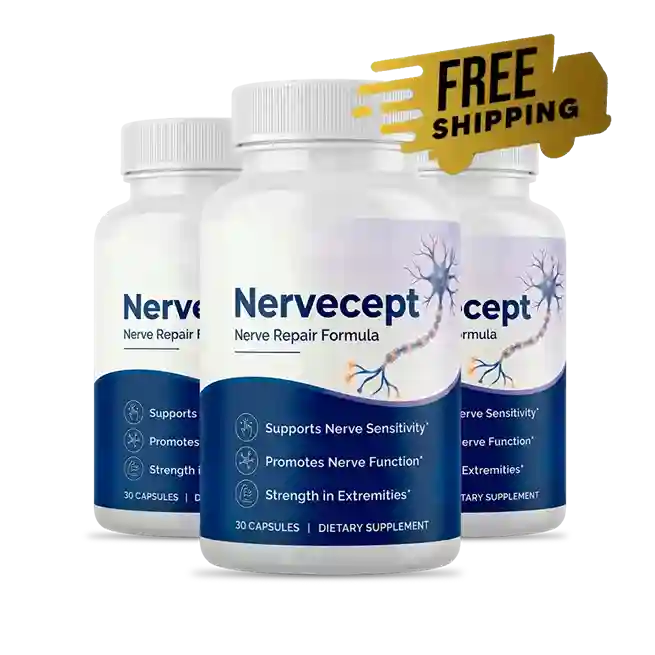
Nervecept is a one-time purchase available in three package sizes. Free shipping is included on 3- and 6-bottle orders. The 3- and 6-bottle packages include five bonus digital guides valued at $289.
Guarantee: 60-day money-back guarantee on all orders. Return bottles (full or empty) within 60 days for a full refund. Note the FAQ’s “after at least 30 days of use” clause — confirm current terms at nervecept.com before ordering.
No autoship: All purchases are one-time. No subscription enrollment, no recurring billing.
→ Order Nervecept Official — 60-Day Money-Back GuaranteeOur Nervecept Verdict
The nervecept formula is more thoughtfully constructed than the average nerve health supplement. The combination of Boswellia + Turmeric + Quercetin addresses the inflammatory and oxidative pathways driving most chronic nerve irritation, while Glucosamine + Chondroitin adds the structural connective tissue layer that pure nerve formulas skip. Biotin and Methionine round out the myelin and antioxidant precursor support with mechanisms distinct from anything in the botanical stack.
That’s a legitimately comprehensive formula — and the ingredient selection itself earns respect. The problem is everything we can’t verify: no milligram amounts, no COA, and a FAQ that calls the product by a completely different name (“Gabaflow Mix”). The policy and contact pages hosted on a third-party domain and the absence of a company address reinforce what the name mismatch already signals — this is almost certainly a private-label or white-label product.
What that means practically: the ingredients are real and researched, but you cannot confirm whether this specific formula contains them at the doses used in the studies we’ve cited. That’s not a reason to automatically pass — most supplement buyers operate under this uncertainty — but it should calibrate your expectations and risk tolerance appropriately.
Bottom line: The 60-day money-back guarantee makes nervecept worth a trial if nerve tingling, numbness, or persistent nerve discomfort is your primary complaint and you’ve already ruled out deficiency-based causes with your physician. Commit to a 3- or 6-bottle cycle for a meaningful result window — and if you want prescription-grade neurological compound access, our Kona Peptides review covers the telehealth prescription route in full.
Nervecept FAQ — Straight Answers
Boswellia serrata may reduce the effectiveness of immunosuppressant medications (cyclosporine, tacrolimus). Do not take with immunosuppressants without physician guidance.
Turmeric (Curcumin) enhances blood-thinning effects of warfarin, aspirin, and clopidogrel — increasing bleeding risk. Also interacts with diabetes medications (may lower blood sugar excessively) and certain chemotherapy agents.
Quercetin may interact with cyclosporine, fluoroquinolone antibiotics, and some chemotherapy drugs. Consult your physician or pharmacist if you take any prescription medication before starting Nervecept.
Not a medical treatment: Nervecept is a dietary supplement. It is not intended to diagnose, treat, cure, or prevent any disease. Statements about nerve health, tingling, and numbness have not been evaluated by the Food and Drug Administration.
Medical causes first: Persistent tingling, numbness, and nerve pain can be symptoms of serious underlying conditions including diabetes, B12 deficiency, multiple sclerosis, spinal compression, and other medical conditions requiring professional diagnosis. Do not use Nervecept as a substitute for medical evaluation of nerve symptoms.
Who should not use Nervecept without medical clearance: Pregnant or nursing individuals; people under 18; persons taking blood thinners, immunosuppressants, diabetes medications, or chemotherapy; anyone with a diagnosed medical condition.
Individual results vary: Customer testimonials and editorial timeline estimates reflect reported experiences and are not guarantees of specific outcomes. Nerve health improvement timelines vary by individual, root cause, severity, and consistency of use.
Affiliate disclosure: WellnessPro360 may earn a commission if you purchase Nervecept through links in this post, at no cost to you. This does not influence our editorial assessment — including the Red Flags we’ve documented above. Pricing and guarantee terms reflect information reviewed in October 2026; confirm current terms at nervecept.com before purchasing.
📚 Related Reviews on WellnessPro360
💊 Kona Peptides Official 2026 — Prescription telehealth for BPC-157, TB-500, GHK-Cu, MOTS-c. Licensed US clinician review + compounding pharmacy. 50% off first month. The clinical-grade route for serious nerve and tissue repair protocols.
🧠 VapoMind Official 2026 — Daily nootropic for memory, focus and cognitive clarity. Ginkgo Biloba, Bacopa, Alpha-GPC, Phosphatidylserine. No prescription needed. From $49/bottle. Best for cognitive nerve support without the joint-pain component.
🔬 OnyxBioLabs Official 2026 — US-based research peptide supplier with HPLC 99%+ purity COA verification. BPC-157, NAD+, Tirzepatide and more. For research-use access to peptides without a prescription requirement.